Apollo Backs $15 Billion Chiba AI Campus With Jera and Dell
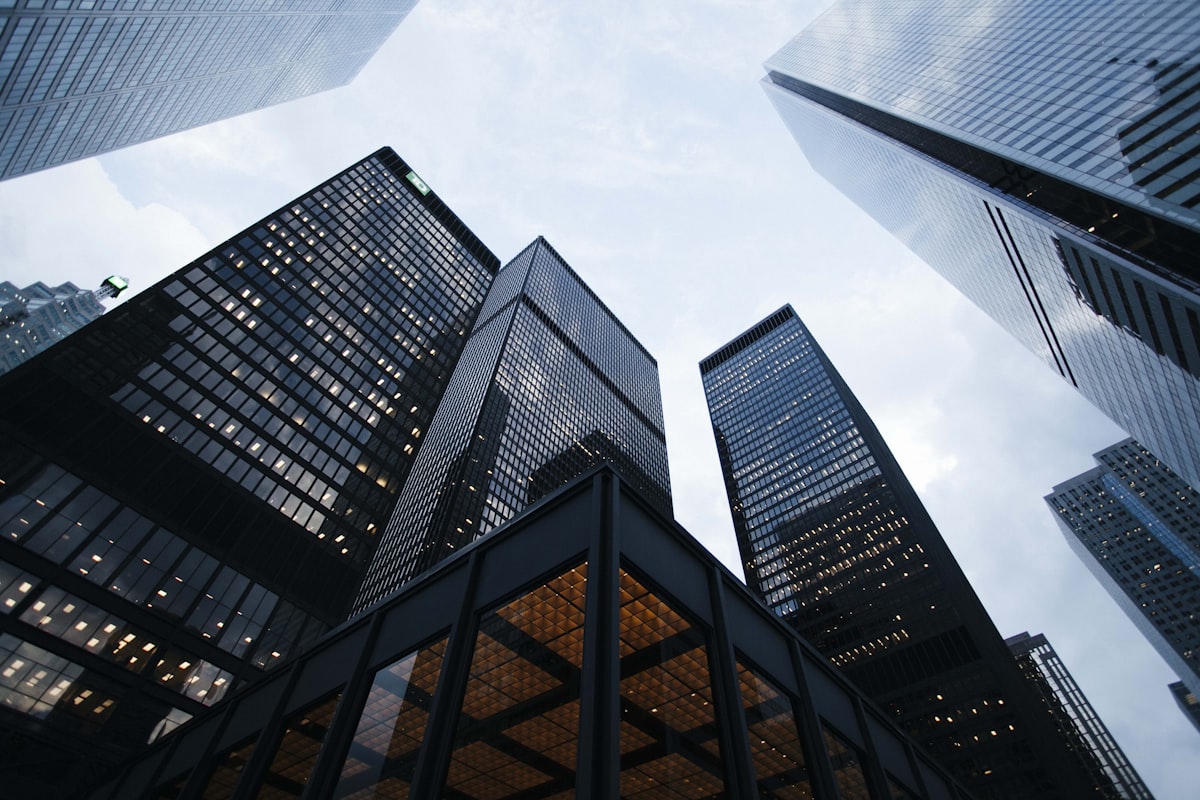
Apollo Global Management said on October 2, 2026 it intends to serve as strategic investment and financing partner for a more than $15 billion artificial-intelligence infrastructure project in Chiba Prefecture led by U.K. developer RHAELM Holdings with Japan’s largest power generator Jera and Dell Technologies. Capital is to cover land, power infrastructure, construction and computing, with operations targeted around 2028 and electricity supply of as much as 400 megawatts aided by a nearby Jera thermal station. Apollo Asia-Pacific chief Eiji Ueda framed the deal as financing Japan’s industrial renaissance and digital infrastructure, while Jera chair Yukio Kani called it the biggest single Asian AI data-centre project now and said demand outside China could make Japan Asia’s largest hub.
Filed under Infrastructure and dated October 2, 2026, this AI4Japan briefing treats the Apollo–RHAELM–Jera–Dell package as Japanese AI power-and-compute news distinct from yesterday’s NSSOL–Anthropic enterprise agents pact. Prime Minister Sanae Takaichi has pledged to bolster the domestic AI supply chain after a ¥102 trillion AI-and-semiconductor investment plan earlier this year, and Kani warned electricity demand for data centres could eventually approach 10 gigawatts with huge capital needs.
Why it matters: Japanese AI builders still face scarce domestic megawatt capacity for training and inference. Financed campuses can close the gap—but only if grid contracts, cooling water evidence and human commissioning authority travel with every megawatt claim.
What it means in practice
Japanese infra, energy and counsel leads should inventory which AI workloads assume Chiba-class capacity before 2028; demand named owners for Jera power SLAs and Dell compute integration; assign an owner for thermal-station carbon and community disclosure; run time-boxed reviews of ramp paths toward multi-gigawatt expansions Kani sketched; and prefer contracts that keep humans on energisation gates. Anchor the financing to Hitachi and FANUC’s Physical AI pact and NSSOL and Anthropic’s Claude agents deal.
Caveats come first. A financing partnership is not energised racks; 400 MW can slip; and thermal power pairing will draw climate scrutiny. AI4Japan therefore presents the Chiba venture as directional infrastructure context until published construction milestones appear.
What to watch next: ground-breaking notices; contracted AI anchor tenants; and how Takaichi’s growth-strategy AI action plan references private megawatt projects. Readers can continue on the AI4Japan homepage, or browse the Newsroom for additional briefings.
Bottom line: treat this update as orientation, not instruction. Japanese AI infrastructure is pairing global private capital with domestic power giants and remains early. Organizations that benefit most will demand grid evidence, keep humans on commissioning gates, and refuse to confuse a financing announcement with finished AI capacity.