Toyota Plans 400,000 Factory Robots Learning From Takumi Workers

Toyota Motor Group plans to introduce roughly 400,000 in-house robots across its plants and major suppliers as factories are upgraded, Nikkei Asia and Automotive World reported around September 18, 2026. Management told investors automation spending could reach about one trillion yen a year from 2028, covering humanoid and non-humanoid machines including equipment replacements, though the multi-year commitment is not fully locked. About 150,000 units would land in Toyota plants and 250,000 across group facilities.
Filed under Business and dated September 20, 2026, this AI4Japan briefing treats the rollout as Japanese physical-AI factory news distinct from SoftBank credit headlines. The flagship wheeled humanoid Eley weighs about fifty kilograms, uses two-fingered hands, and learns by watching workers who wear finger jigs during routine tasks—generating demonstration data instead of relying mainly on simulation. At a European briefing earlier in September, Eley folded shirts with near-perfect accuracy after roughly 1,500 practice sessions over two weeks, while Toyota Research Institute Large Behavior Models aim to teach skills from short demos.
Why it matters: Japanese manufacturers face skilled-labour shortages and want robots that capture takumi technique. Demonstration learning can scale know-how—but only if safety interlocks, liability, and union consultation stay explicit.
What it means in practice
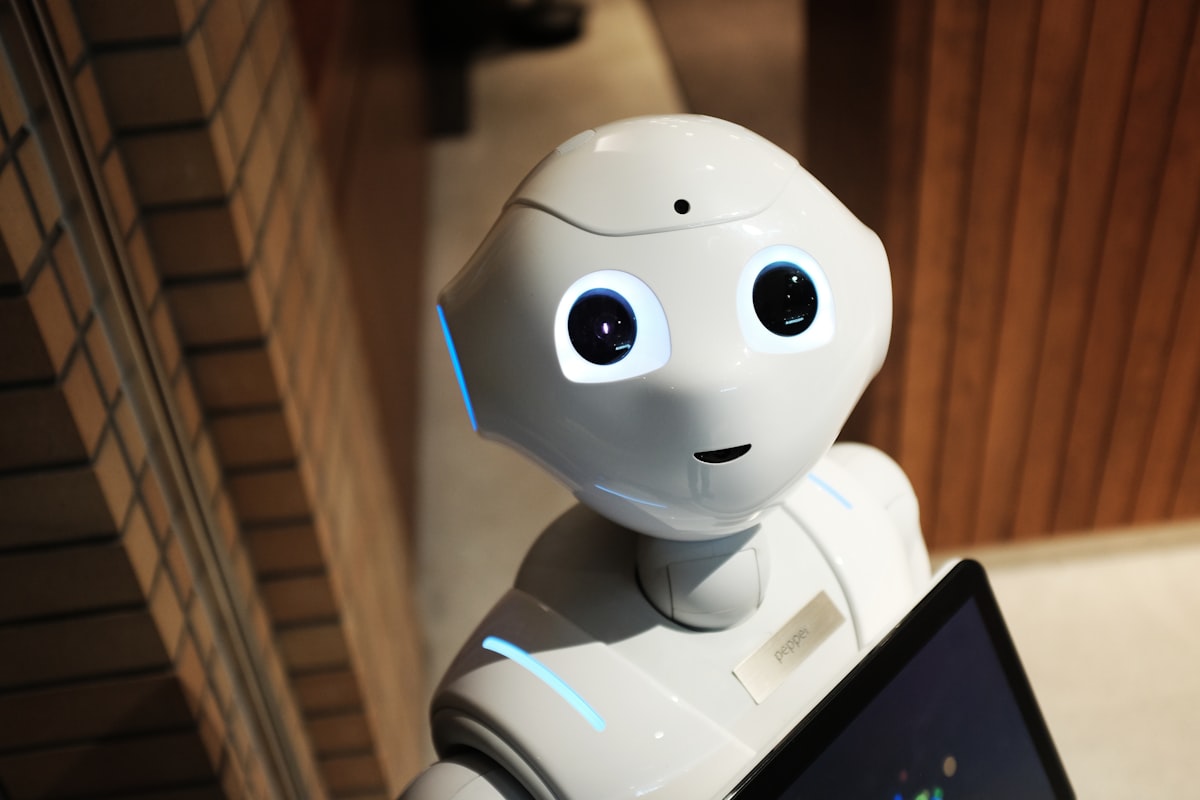
Japanese plant and supplier leads should map which stations fit wheeled humanoids versus fixed automation; demand shared skill-transfer protocols across sites; assign an owner for human–robot co-training hours; run time-boxed trials before line certification; and prefer contracts that name stop-authority. Anchor the plan to FANUC’s AI welding agent and shared robotics datasets.
Caveats come first. Investor briefings are not purchase orders; trillion-yen envelopes can shrink; and wheeled designs trade mobility for reliability. AI4Japan therefore presents the 400,000-robot target as directional business context until factory-level deployment schedules appear.
What to watch next: first domestic line certifications; supplier financing terms; and how Mitsubishi Heavy’s Preferred Networks stake intersects physical AI chips. Readers can continue on the AI4Japan homepage, or browse the Newsroom for additional briefings.
Bottom line: treat this update as orientation, not instruction. Japanese factory AI is betting on learning from people rather than bipedal spectacle and remains early. Organizations that benefit most will keep humans accountable on safety, measure real cycle-time gains, and refuse to confuse a vision target with finished automation.