Earlier Reads in Regional Hospitals
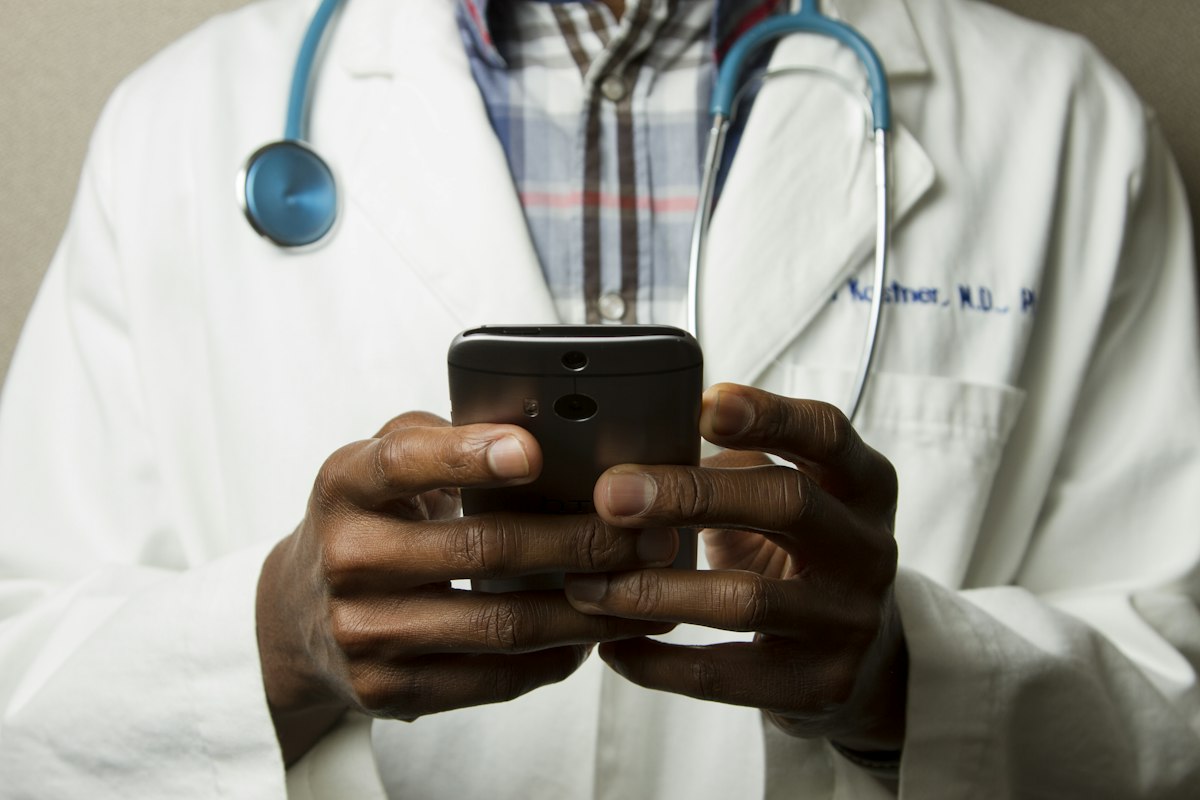
Radiology teams in regional hospitals outside Tokyo are testing AI triage that prioritizes chest scans with urgent patterns. It does not replace physicians; it shortens the queue so specialists see critical cases first—especially helpful where staffing is thin overnight. What follows expands that snapshot into a fuller picture of how a practical AI pilot can unfold in Japan—what problem it targeted, how people worked with the model, and which limits still matter.
Around Tokyo and across Kanto, Japanese organizations rarely need a moonshot. They need fewer surprises in triage and second reads. In the story titled “Earlier Reads in Regional Hospitals,” the starting point was ordinary: clinicians already knew where time disappeared, where errors clustered, and where a dashboard might help more than another slide deck. AI4Japan presents the case as an independent, illustrative example—not a product endorsement and not a claim of government sponsorship.
The team began by narrowing scope. Instead of “automate everything,” they picked one measurable slice of imaging queues: a single line, route family, clinic queue, or product catalog. They wrote down the decision a human still had to make, then asked where a model could prepare options, score risk, or flag anomalies earlier. That discipline mattered in Japan, where trust in new tools often depends on whether staff can explain a recommendation to a colleague, customer, or auditor.
How the pilot worked
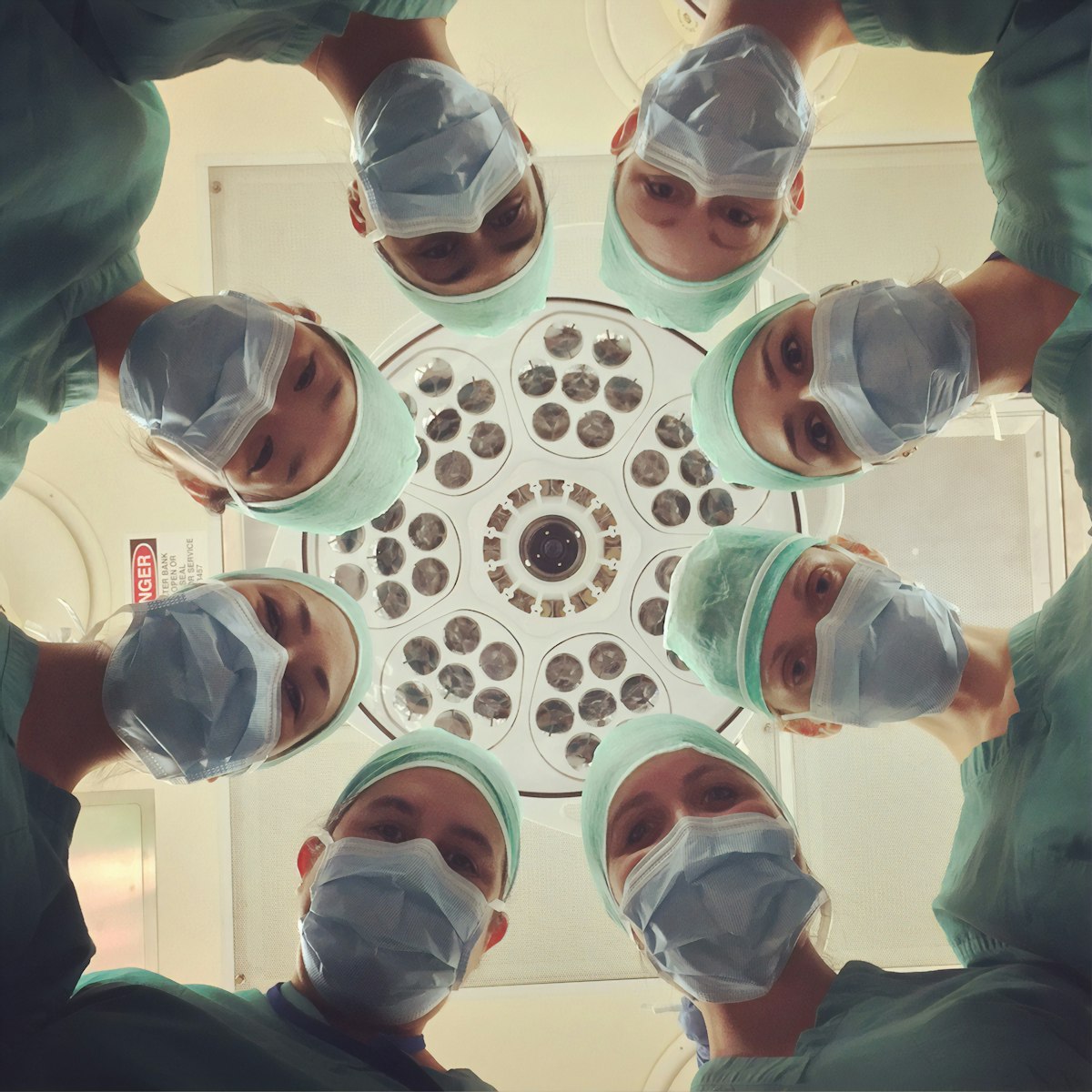
Data work came next. Historical records were messy—missing fields, renamed codes, seasonal spikes. Engineers and clinicians sat together to label a modest training set and to define “good enough” accuracy. They rejected vanity metrics. If the model reduced overnight staffing gaps without creating new blind spots, it earned a longer pilot. If it merely looked clever in a demo, it did not. Privacy rules and workplace norms in Japan shaped what could leave the building and what had to stay on local systems.
During the pilot, clinicians kept the final say. The software suggested; people confirmed. Supervisors watched false positives carefully, because crying wolf would kill adoption faster than a slow model. Weekly reviews compared model flags with what experienced staff would have done. Where the two disagreed, the team asked whether labels, sensors, or process timing were wrong—not whether humans should be removed. In this illustrative narrative, teams tracked outcomes such as 30% Faster Urgent Triage, 92% Agreement with Second Read, 7 Partner Hospitals.
Change management was as important as algorithms. Staff in Tokyo needed short training, a clear escalation path, and permission to override the tool when context was missing. Managers measured load on people—not only output. In several Japanese workplaces, the win was quieter nights and fewer emergency scrapes, not a press release. Vendors were treated as helpers, not owners of the workflow; contracts emphasized exportable data and exit options.
Risks, limits, and next steps
Results arrived unevenly. Early weeks exposed edge cases unique to Japan—weather patterns, holiday calendars, bilingual paperwork, or supplier quirks near Tokyo. The team logged each miss, retrained where justified, and sometimes shrank the scope again. That humility is part of responsible AI: acknowledging that a model trained last quarter may drift when the business changes. Leaders documented assumptions so a new hire could understand why a threshold was set at a particular value.
Risks stayed on the table. Bias in historical data can quietly prefer one region, shift, or customer type. Over-reliance can dull skills if clinicians stop practicing judgment. Security teams in Japan also worry about prompt injection, model theft, and sensitive images leaving secure networks. AI4Japan emphasizes human oversight, audit logs, and clear “do not decide alone” rules for high-impact cases.
For readers elsewhere in Japan, the transferable lesson is not the brand of software—it is the operating pattern: pick a painful, measurable workflow; keep humans accountable; publish simple metrics; and stop if trust erodes. Whether the setting is imaging queues or another domain, the same sequence applies. AI earns a place when it reduces overnight staffing gaps without hiding how it failed.
Looking ahead, the organization in this narrative planned modest next steps: expand to a second line or clinic only after the first stayed stable for a full season, share playbooks with peer teams, and invest in skills so people in Japan can critique models rather than merely consume them. AI4Japan will keep publishing grounded stories like “Earlier Reads in Regional Hospitals” so Japanese readers can compare approaches—and discard what does not fit their ethics, budget, or risk tolerance.
If you are evaluating a similar project near Tokyo, start with a one-page brief: problem, data sources, success metric, human override, and a kill criteria. Invite the people who live with triage and second reads every day into design reviews. Budget time for labeling and for explaining outcomes to non-technical stakeholders. And treat illustrative figures in this article as storytelling aids, not guarantees. Real deployments in Japan will differ; careful measurement is the only honest way to know.