Japan Assigns Factory Machine IDs to Feed Physical AI Training

Japan’s government and leading industrial-machinery companies will assign unique identifiers to individual pieces of factory equipment so that operational data can be collected across manufacturers for physical artificial-intelligence training, Nikkei reported on September 21, 2026. Roughly one hundred firms, including machine-tool specialist DMG Mori and construction-equipment maker Komatsu, are expected to join the scheme, which aims to feed machine-learning systems that power autonomous robots and related factory agents. Industrial robot suppliers such as Yaskawa Electric are among those positioned to benefit as shared, labelled equipment data reduces the fragmentation that has slowed domestic physical-AI models.
Filed under Industry and dated September 22, 2026, this AI4Japan briefing treats the machine-ID programme as Japanese manufacturing-data news distinct from SoftBank bond financing for OpenAI. Officials want cross-producer telemetry—vibration, cycle times, tool wear and process logs—standardised enough that models learn skills transferable beyond a single brand’s installed base. The effort sits beside Tokyo’s wider physical-AI push, including Toyota’s plan for hundreds of thousands of factory robots that learn from veteran workers.
Why it matters: Japanese factories already generate rich sensor trails that rarely leave vendor silos. Shared IDs can unlock training corpora—but only if cybersecurity, IP and labour rules travel with the data.
What it means in practice
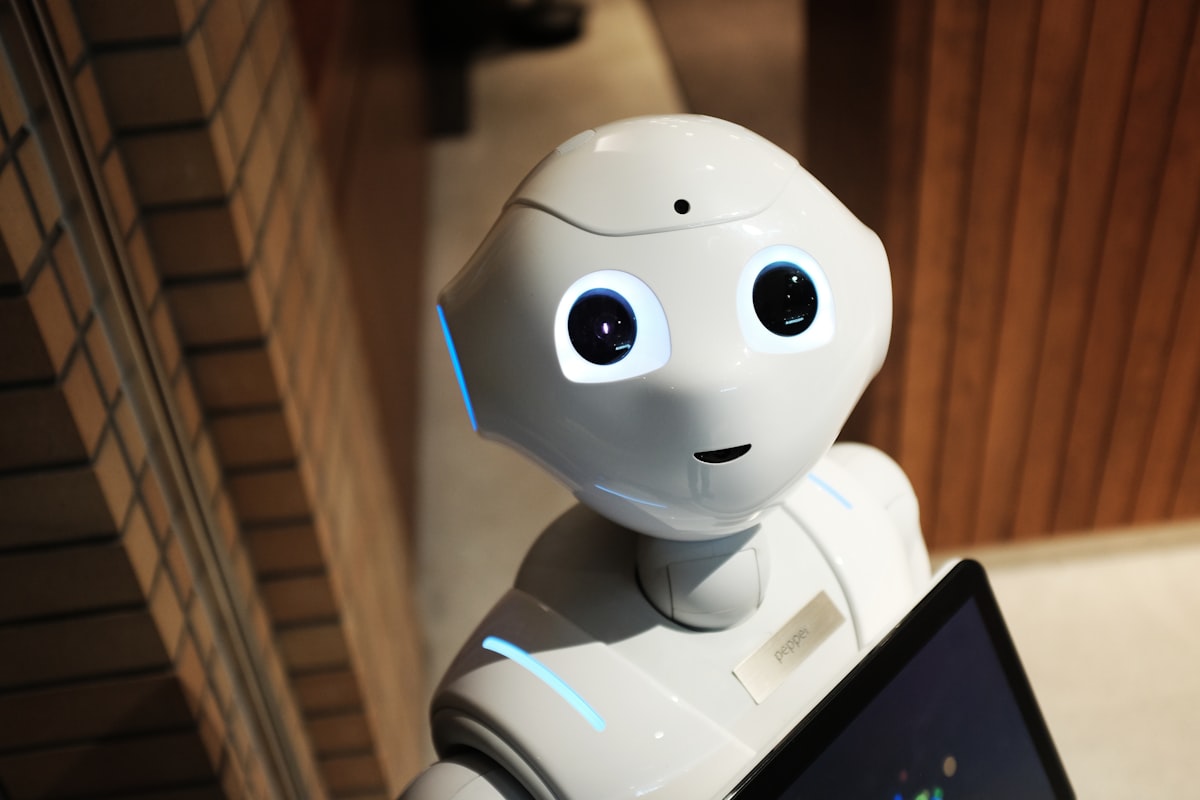
Japanese plant and OT security leads should inventory which assets will receive IDs; demand named retention and access controls; assign an owner for anonymisation and supplier contracts; run time-boxed pilots on one cell before plant-wide streaming; and prefer partners that keep humans on safety interlocks. Anchor the programme to Toyota’s factory-robot plan and FANUC’s blueprint welding agent.
Caveats come first. Announcements are not live data lakes; competitors may limit sensitive fields; and physical AI still fails on edge cases. AI4Japan therefore presents the ID scheme as directional industry context until published schemas and participation lists appear.
What to watch next: METI implementation guidance; which sensor fields are mandatory; and how robot makers ingest the pooled streams. Readers can continue on the AI4Japan homepage, or browse the Newsroom for additional briefings.
Bottom line: treat this update as orientation, not instruction. Japanese physical AI is moving from demos toward shared industrial data plumbing and remains early. Organizations that benefit most will govern OT data carefully, keep humans on line safety, and refuse to confuse equipment IDs with finished autonomy.