Japan Firms Roll Out AI Robots to Ease Labour Shortage

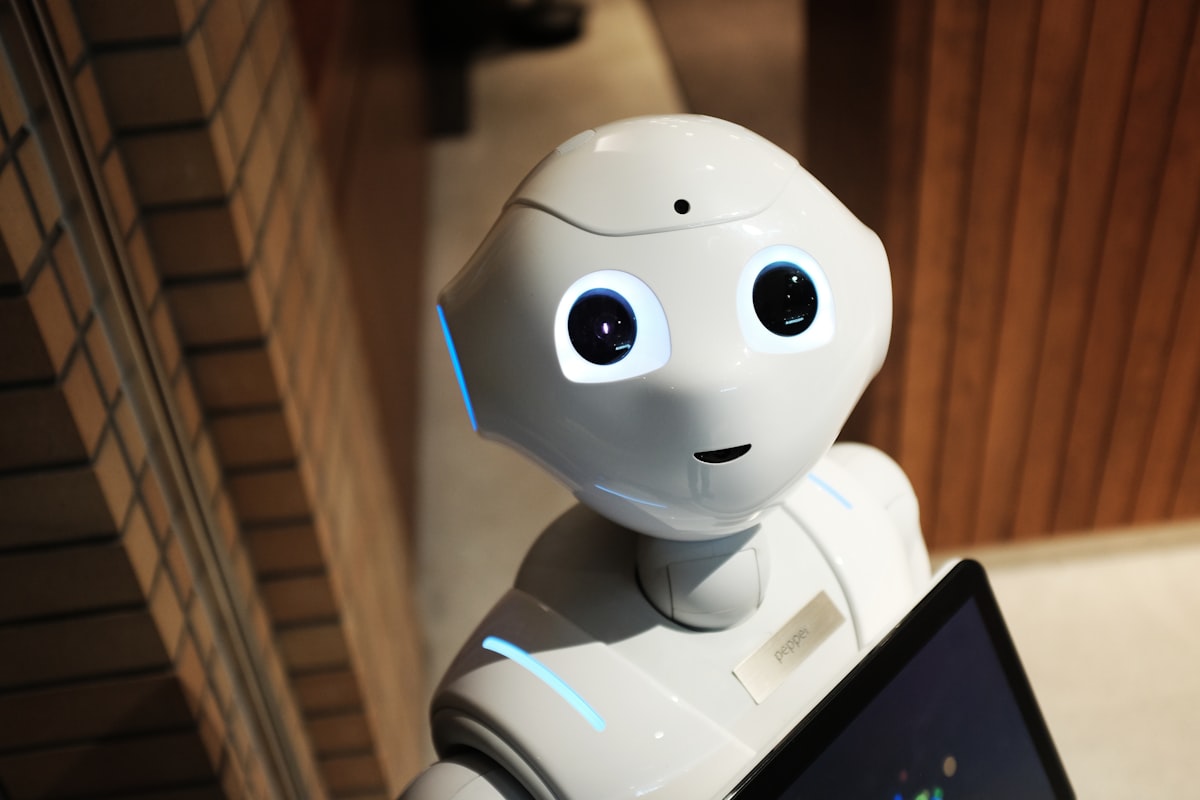
Japan’s labour crunch is pushing hospitals, manufacturers and trading houses toward artificial-intelligence robots faster than many boardrooms planned, Kyodo News reported on September 22, 2026. The government wants roughly ten million AI-powered robots in service by 2040 to cushion an ageing, shrinking workforce. Startup Zeals Co. unveiled its D1 wheeled humanoid in Tokyo, a 129-centimetre indoor machine with cameras for face recognition and dual arms rated to carry about five kilograms each, priced from five million yen and aimed at hotels, healthcare, manufacturing and logistics with insurer Mitsui Sumitomo preparing robot-specific cover.
Filed under Industry and dated September 25, 2026, this AI4Japan briefing treats the workplace-robot wave as Japanese physical-AI adoption news distinct from broadcaster effects pipelines. Zeals trialled the D1 at Juko Osu Hospital in Nagoya for visitor guidance and tray clearing, while Nagano’s Kakuichi Co. plans to welcome a Chinese-made “Miyazawa Noah” humanoid as a “new graduate” in April 2027 with Play Robotics support—signals that shop-floor learning, not showroom demos, is becoming the product.
Why it matters: Japanese care and factory desks face chronic vacancies. AI robots can stretch staff—but only if safety cases, insurance and consent for workplace footage travel with each unit.
What it means in practice
Japanese hospital and plant leads should inventory which tasks may enter robot pilots; demand named stop-buttons and incident logs; assign an owner for patient or worker privacy; run time-boxed comparisons against incumbent automation; and prefer vendors that publish intervention metrics. Anchor the rollout to Toyota’s factory-robot plan and shared robotics datasets.
Caveats come first. Launch prices are not fleet TCO; hospital trials are not nationwide policy; and “new graduate” branding can blur labour law. AI4Japan therefore presents the AI-robot surge as directional industry context until published safety certifications appear.
What to watch next: how many D1 units ship by March 2027; insurer claim patterns; and whether METI’s eighteen priority fields get matching subsidies. Readers can continue on the AI4Japan homepage, or browse the Newsroom for additional briefings.
Bottom line: treat this update as orientation, not instruction. Japanese physical AI is moving from strategy decks into wards and workshops and remains early. Organizations that benefit most will enforce safety gates, keep humans on clinical and production authority, and refuse to confuse a launch photo with finished staffing.